Jakob Frank · 2 September 2026
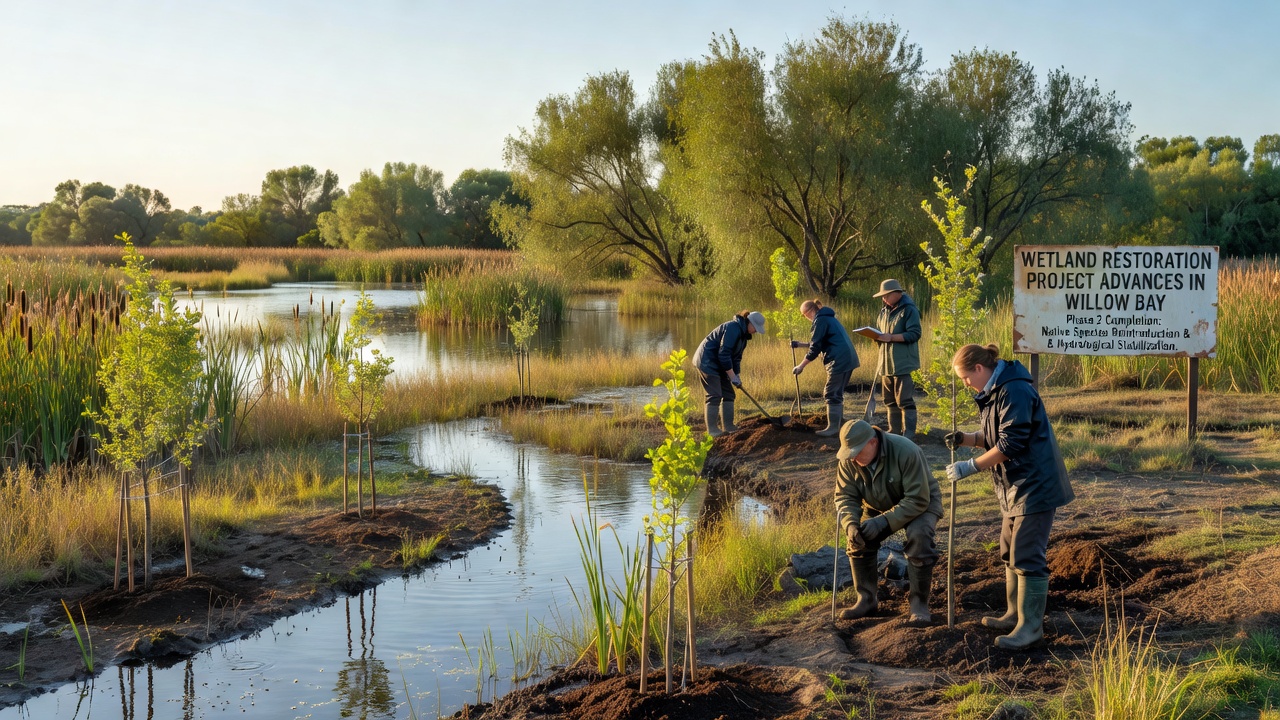
The advancement of the wetland restoration project in Willow Bay marks a pivotal step toward environmental sustainability in the region. Spearheaded by a coalition of local government officials, environmental nonprofits, and scientific researchers, the initiative seeks to rehabilitate degraded marsh areas that have suffered from urban development and pollution over the past decades.
Current Progress and Next Steps
Phase one of the project, which involved extensive site assessments and initial cleanup operations, has been successfully completed ahead of schedule. Contractors are now preparing for the installation of water control structures designed to regulate flooding and promote natural sedimentation processes. Funding has been secured through a combination of federal grants, private donations, and municipal bonds, amounting to approximately three million dollars. Project leaders report that public consultations have been instrumental in refining the restoration plans to address concerns about accessibility and preservation of historical sites within the bay area. Monitoring equipment has been deployed to track changes in water levels and soil composition throughout the restoration zone. Local schools are incorporating educational programs related to the project, allowing students to participate in citizen science activities such as water sampling and species identification. These efforts not only raise awareness but also foster a sense of stewardship among younger generations.
Long-Term Impacts on Ecology and Economy
Upon completion, the restored wetlands are expected to enhance biodiversity by providing habitats for numerous species of fish, birds, and amphibians that are native to the area. Improved filtration capabilities will contribute to cleaner bay waters, benefiting both recreational fishing and commercial activities. Furthermore, the project is anticipated to mitigate flood risks for nearby residential neighborhoods during heavy rainfall events. Economically, the development of eco-friendly tourism infrastructure could generate new revenue streams for Willow Bay businesses. Regular updates on the project's status will be provided through public forums and online resources to maintain transparency and community involvement. Additional research partnerships are evaluating carbon sequestration potential to position the bay as a leader in climate resilience strategies.